
Keeping your blood sugar balanced over the silly season
The festive season can be a beautiful time of connection, celebration and joy. It can also be a time when our usual routines shift – later nights, more meals out, extra glasses of bubbles, and food that may be a little richer or sweeter than what we’d typically prepare for ourselves.
And that’s okay.
Food is not just fuel – it’s also culture, memory, celebration and pleasure. So the intention here is not to take away the enjoyment. Rather, it’s to give you a few simple ways to support your body so you can feel energised, steady and comfortable throughout the season instead of riding the rollercoaster of sugar highs and crashes.
Because when our blood sugar swings too much, we tend to feel:
- Energised one moment, exhausted the next
- Foggy or irritable for no clear reason
- More prone to cravings
- Hungrier sooner than expected
These fluctuations can place strain on our nervous system, hormones, mood and energy pathways, which is why learning to stabilise blood sugar is one of the kindest things we can do for our bodies – especially during this time of year. Here are some practical ways to reduce the highs and lows of imbalanced blood sugar without having to press pause on all the holiday fun.
Start with breakfast
Breakfast sets the metabolic tone for the day. If your first meal is mostly sweet – think pastries, fruit juice, jam on toast or even a large fruit smoothie – your blood sugar can spike quickly, leading to a mid-morning crash.
Instead, aim for breakfast that includes protein + nutritious fats + wholefood carbs that contain fibre.
For example:
- Poached eggs with avocado and spinach
- A chia pudding made with coconut milk and topped with berries
- A vegetable omelette
- A smoothie made from banana, nut butter, nuts, seeds and a handful of greens
- Wild-caught (not farmed) smoked salmon with avocado on left-over roast potatoes
This combination slows digestion and helps keep your blood sugar steady, meaning fewer cravings later in the day and more even energy.
Eat before an event
Heading out to drinks or a long lunch on an empty stomach is almost a guarantee that you’ll arrive ravenous, and when we’re hungry, our body will seek quick energy – often in the form of sugar or other refined carbohydrates.
Try having a small, nourishing snack before you go:
- A handful of nuts
- Carrot sticks with hummus
- A boiled egg
- A couple of slices of apple with nut butter
This simple step softens those peaks and dips in blood sugar, allowing you to enjoy whatever is served with more ease.
Pair sweets with protein and/or nourishing fats
If you’re going to enjoy dessert on the odd ocassion, pair it with something that slows down the absorption of sugar (if you can).
For example:
- Have a slice of Christmas cake with a handful of nuts
- Enjoy pavlova after a main meal that includes protein
- Choose dark chocolate after dinner rather than on an empty stomach between meals
You’ll still enjoy the sweetness, just without the crash afterwards.
Sip slowly
Alcohol can have a surprisingly strong impact on blood sugar. Many drinks are high in sugar themselves and alcohol can also disrupt our capacity to regulate blood glucose.
A few gentle supports:
- Alternate alcoholic drinks with sparkling water with fresh lemon or lime
- Choose drier drinks like red wine or spirits with soda rather than sweet mixers
- Eat before or with drinks, rather than drinking on an empty stomach
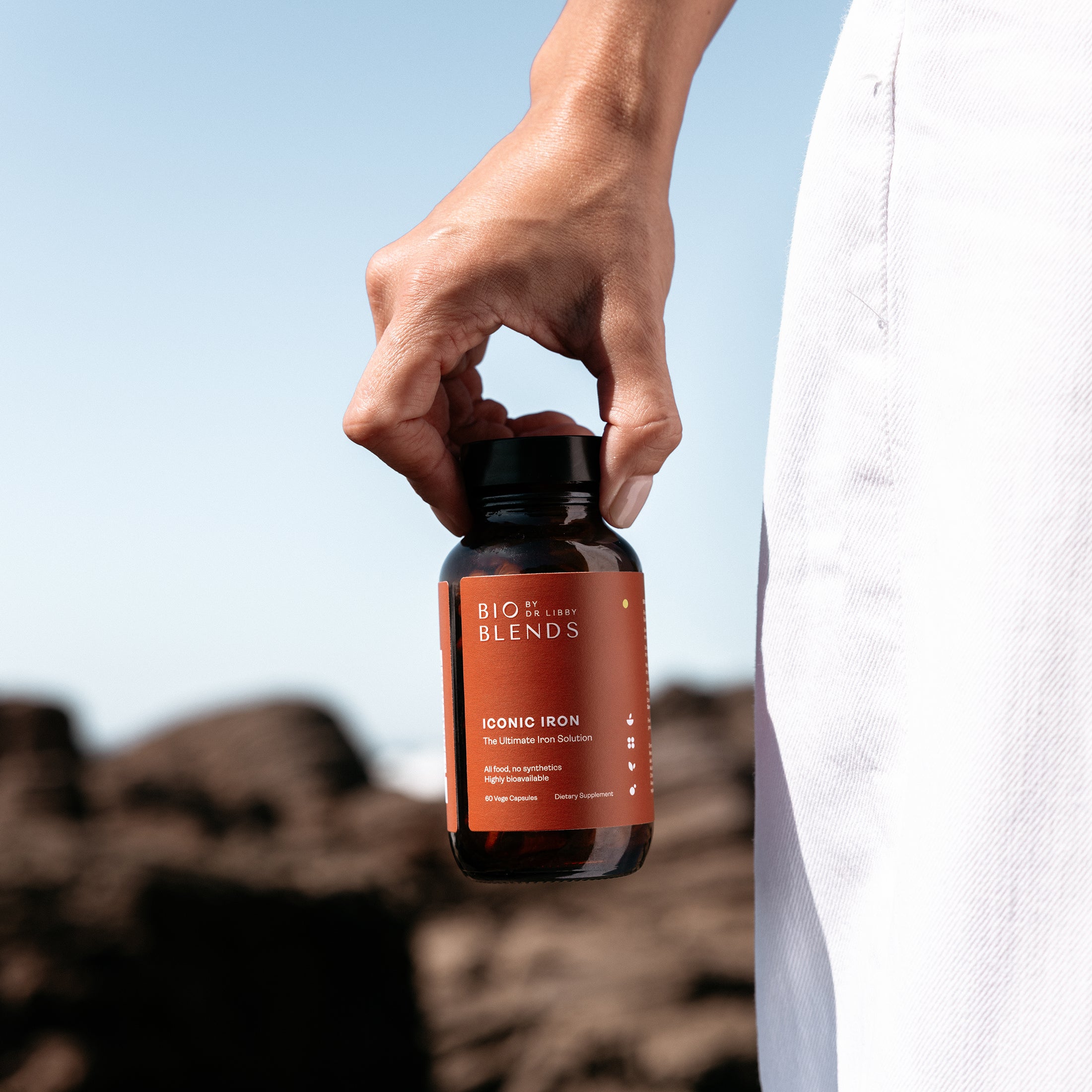
- Support your liver around events where you are drinking alcohol with substances that your liver needs to do its essential detoxification work (Liver Love might just be many people’s favourite festive season essential)
This isn’t about restriction – it’s about protecting your energy and your sleep, both of which are precious.
Put your knife and fork down between bites
So many of us eat quickly without even realising. We’re scrolling, distracted, or simply in the habit of rushing. Try placing your knife and fork down between bites. This simple act naturally slows your pace.
When we eat slowly, several wonderful things happen:
- Digestion improves when the stomach gets a chance to do its job properly.
- We notice fullness earlier because it takes time for satiety signals to travel from the gut to the brain.
- We taste and enjoy food more, which helps us feel satisfied with less.
- Our nervous system shifts into “rest and digest” allowing the body to use and absorb nutrients more efficiently.
It seems small, but it’s profound. When we slow down, we give both our food and our body the attention they deserve. It’s a powerful yet gentle way to support our blood sugar, our digestion and our sense of calm, especially during a busy social season.
Give your body a little help before bed
Late nights and rich meals can sometimes leave us feeling wired when we want to wind down.
Two small shifts that can support you:
- A short walk after dinner. Even ten minutes helps lower blood glucose.
- Swap scrolling for a gentle wind-down ritual such as a book, a bath or a few minutes of slow breathing.
These help signal to the body that it is time to unwind and safe to rest.
The silly season is meant to be enjoyed. The goal is not perfection; it’s care.
When you understand how to support your blood sugar, you can say yes to the things you love while still feeling clear, energised and well in your own body. And that is a gift in itself.