



Overfed, undernourished: why our food is losing nutrients (and what you can do about it)
You can eat all the “right” things and still feel like something is missing. Perhaps you are doing your best to eat plenty of vegetables, getting some protein at most meals, including nutritious fats, getting your carbs from whole foods rather than processed foods – yet you still feel tired, your skin is not as vibrant as it once was, your hormones feel out of sorts, or your blood tests keep showing factors like low iron or zinc, or an insufficiency or deficiency in other minerals. Perhaps you’ve read a list of magnesium deficiency symptoms and you tick every box.
It is easy to blame yourself and think you are doing something wrong. But there is a bigger story at play – one that begins long before food reaches your fork.
The quiet decline in nutrient-dense food
In the last 60-80 years, the nutrient density of many common fruits, vegetables and staple crops has steadily declined. Large review papers have found significant reductions in minerals such as calcium, magnesium, iron, zinc and copper in everyday foods compared with data from the mid-1900s. In simple terms, an apple, carrot or head of broccoli today can contain less of the micronutrients it once did. At the same time, calorie availability has increased. We are surrounded by energy-dense, nutrient-poor foods – so many of us are, paradoxically, both overfed and undernourished.
This matters, because micronutrients are the spark plugs of your biochemistry. They are required for:
· Energy production in every cell
· Hormone creation and detoxification
· Immune function
· Collagen formation and skin integrity
· Brain health, mood and cognitive function
When these nutrients are consistently low, the body cannot perform these processes as efficiently, even when you are eating “enough”.
So what has changed?
1. High yields, lower nutrients
After a period of significant agricultural growth between 1940 and 1980 – a period referred to as the Green Revolution – farming shifted towards high-yielding crop varieties, fertilisers and irrigation systems designed to maximise production. This helped feed a growing population – yet there was an unintended consequence. Many modern varieties of fruits, vegetables and grains have been bred for size, appearance, storage and speed of growth, not nutrient density. When a plant is encouraged to grow quickly and produce large amounts of carbohydrate-rich tissue, its minerals and phytochemicals can become diluted.
Farmers might harvest more tonnes per hectare, but each kilogram may contain fewer vitamins and minerals.
2. Tired soils, fewer minerals
Plants can only be as nutritious as the soil they are grown in. Over decades, intensive agriculture, heavy tilling and the repeated use of synthetic fertilisers and pesticides have degraded soil health in many regions. Soils that are low in organic matter and microbial diversity struggle to cycle and supply minerals effectively to plants. At the same time,
fertiliser programs often focus on a few nutrients – nitrogen, phosphorus and potassium – with far less (or no) attention paid to others like magnesium, zinc or selenium.
The result? Crops that may look fine, yet contain fewer of the micronutrients our bodies rely on. One reason why I’m such a big fan of biodynamic, regenerative and organic farming is the practices are much more focused on the health of the soil, and as a result, this translates to healthier animals and plants, a healthier planet, and foods that are more nutrient-rich.
3. More atmospheric CO₂
Carbon dioxide is sometimes used as a fertiliser to increase the growth rates of green leaves on plants, with the goal of increasing crop yields. The same occurs with the presence of more atmospheric CO₂ – the plants we eat, like green leafy vegetables – are affected too. Elevated CO₂ can increase the rate at which plants not only grow, but produce carbohydrates, yet this growth spurt is not necessarily matched by an equivalent increase in mineral uptake from the soil. Studies suggest this can further dilute concentrations of protein and minerals like iron and zinc in crops, adding another layer to the nutrient-density challenge.
4. We left our traditional foods behind
Our grandparents and great-grandparents didn’t just eat whole animals including the offal. They often ate a much more diverse range of local, seasonal foods – including traditional grains (such as millets), pulses, wild or semi-wild fruits, bitter leaves and a wide variety of vegetables. These foods tended to be richer in minerals, fibre and phytochemicals. Over time, many have been displaced by a smaller group of modern staples: highly refined wheat, white rice, maize and a narrower selection of commercial fruits and vegetables, many of which have lost their bitterness (yet bitterness is beneficial!). We did not just change how we grow food – we changed which foods we grow and eat. This shift has reduced the natural variety of nutrients on our plates.
5. Ultra-processed food and long supply chains
Even once a crop is harvested, nutrients can be lost along the way. Long storage times, transport, ultra-processing, high heat and light all affect sensitive water-soluble vitamins like vitamin C and some B vitamins, as well as certain phytonutrients. By the time many products reach our kitchens, they are far removed from the fresh, nutrient-dense foods our bodies evolved to thrive on.
What does this mean for your everyday health?
When you put all of this together, it becomes easier to understand why nutrient deficiencies are so common, even in people who are not obviously malnourished. Micronutrient shortfalls can show up as:
· Low iron and ferritin, impacting energy, brain and mood
· Low magnesium, contributing to poor sleep, muscle tension or feeling wired but tired
· Low zinc, affecting immunity, alcohol detoxification, skin health and wound healing
· Reduced intake of protective plant compounds that support liver detoxification, hormone health and antioxidant defence
You might feel this as:
· Persistent fatigue or brain fog
· Less stress tolerance – you’re overwhelmed sooner
· Feeling “off” but not being able to pinpoint why
· More frequent colds or slower recovery
· Changes in skin, hair or nails
· Hormonal shifts and more intense PMS or perimenopause symptoms
For some it’s a single nutrient: iron being the most common, with zinc and magnesium requirements also not as easily met through food these days. This background of nutrient-diluted food means your body is too often working with less than it needs.
What can you do about it?
The good news is that there is a lot within your influence. You cannot change global farming overnight, but if you have access to farmer’s markets where locals sell what they’ve grown, you can ask questions about their farming practices and support those who embrace principles where the soil is cared for and the food not sprayed. You can chat to your butcher and find out what they know about the meat you buy from them. In other words, how you spend your money can make a difference. You can also nudge your own meals closer to what your body recognises and thrives on: food rather than junk.
Here are some practical ways to respond to this modern nutrient gap:
1. Prioritise whole, real and diverse foods
· Make vegetables the hero of your plate – especially leafy greens and members of the brassica family (broccoli, cauliflower, kale, cabbage).
· Include quality animal proteins (if you eat them) and a rotation of legumes, nuts and seeds, if you digest them well.
· When you can, choose organic or regeneratively grown produce from farmers who care about soil health.
Diversity is key; each plant family brings a slightly different nutrient profile and set of beneficial compounds.
2. Remember that “food first” sometimes needs a helping hand
In an ideal world, we would get everything we need from food alone. In the real world – with depleted soils, modern stress and busy lives – supplementation can be an important bridge.
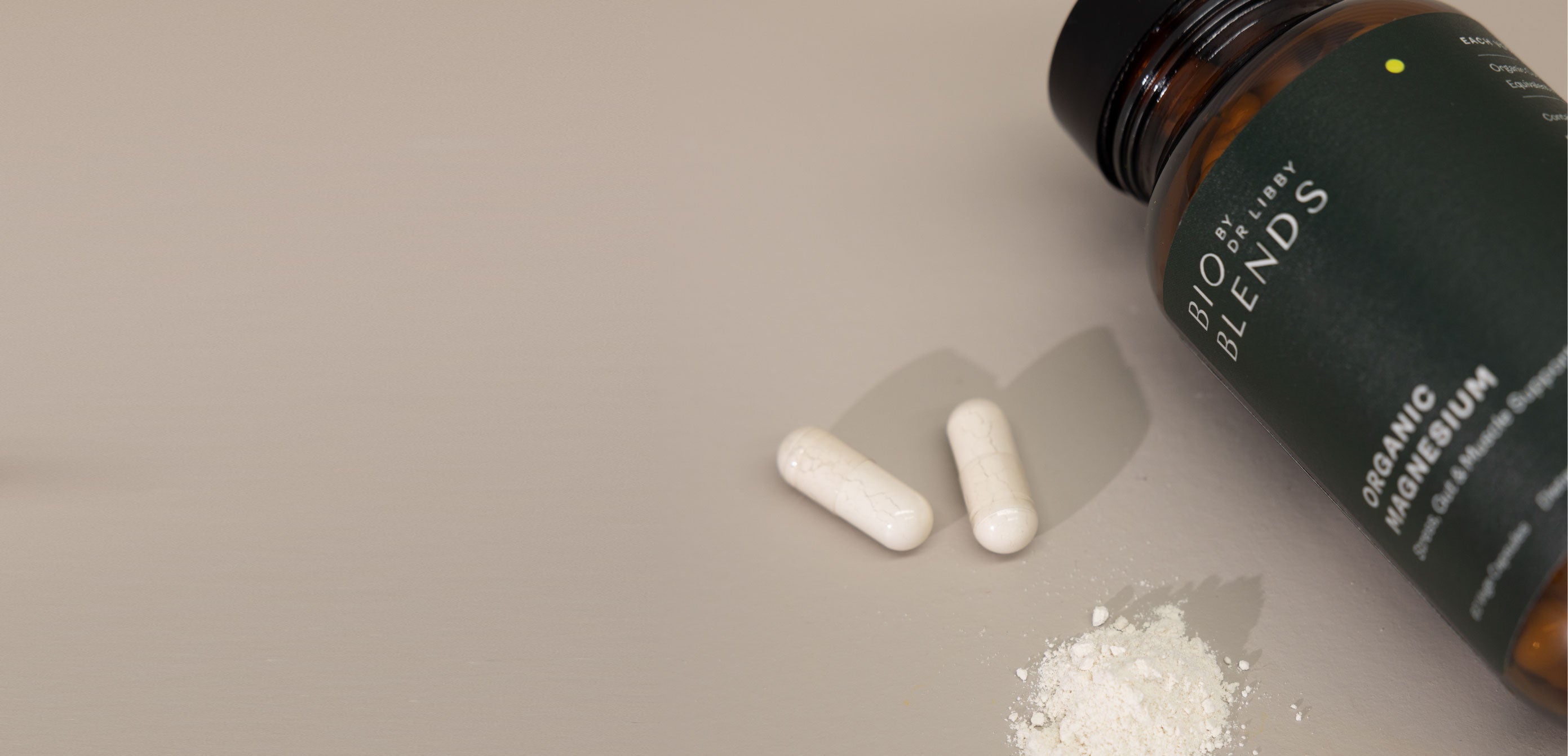
This is the thinking behind Bio Blends. Our formulas are:
· Food-sourced – using concentrated plant foods and therapeutic-grade botanicals, rather than isolated synthetic, lab-made compounds.
· Designed to complement, not replace, real food – providing meaningful amounts of nutrients in the forms your body is used to seeing.
· Draw on my 25 years as a nutritional biochemist – with a focus on meaningful nutrient levels, absorption mechanisms and how they contribute to your biochemistry.
Whether it is ferritin-iron from organic peas, zinc from organic guava leaves or liver-supporting brassicas (the broccoli we include in Organic Daily Greens & Reds and also in Liver Love is a superstar!) and medicinal herbs, the goal is always the same: real nourishment your body recognises, grounded in nature and supported by science.
3. Re-embrace traditional wisdom
Consider bringing back some of the nutrient-dense foods that have quietly slipped off our plates:
· Bitter greens and herbs
· A wider variety of whole grains or pseudo-grains, if you digest them well
· Local, seasonal fruits and vegetables
· Nuts, seeds and pulses prepared in traditional ways (soaking, fermenting, sprouting)
These practices can improve both nutrient content and bioavailability.
If you have ever felt confused about why you are not feeling as vibrant as you “should” for the way you eat, please know it is not a personal failure. You are living in a food system that has, over time, prioritised yield, convenience and shelf life over nutrient density. The research is clear: many of our modern foods simply do not contain the same levels of vitamins and minerals they once did.
The invitation is not to panic, but to get curious. To gently shift your meals back towards real, nutrient-dense foods. To support your body with smart, food-first supplementation where needed. And to remember that every small step towards better nourishment counts. Your body is always doing the best it can with what it is given. When you change what you give it, everything can begin to shift.