


When you feel “off” but can’t put your finger on why
It’s a familiar story. You’re not sick. Nothing is wrong exactly. But something doesn’t feel right in your body.
Your energy is inconsistent. Your patience is thinner than usual. Your sleep doesn’t feel all that restorative. Your neck and shoulders feel tense. Maybe your eye is twitching at times. And there’s a sense, deep down, that your body is asking for something – but you’re not sure what.
This is more common than most people realise – and more meaningful. It’s not just the fallout of modern living. We’re not supposed to feel meh day in, day out. Your body is always communicating. We just haven’t been taught how to listen.
Here are some of the most common underlying reasons you might be feeling “off” and what you can do about it.
1. Your veg intake has dropped (or never hit the minimum requirements to begin with)
When life gets busy, meals get rushed and vegetables get sidelined. The result? Your body isn’t getting the micronutrients it relies on to make energy, balance mood, support your hormones or keep your nervous system steady. Plants contain all kinds of compounds like vitamins, minerals, antioxidants and phytonutrients that nourish the human body. And when your cells don’t get what they need… you feel it.
While there is not an actual RDI for vegetables, research tells us that we need a minimum of five serves per day. Every day. Note that this is for average, basic health and to help us avoid numerous nutrient deficiencies – not the amount needed for exceptional health. You ideally want to aim for seven serves or more for that (1 serve = ½ cup of cooked veg or 1 cup of salad veg). Ways to get more vegies into your day include:
- Build your plate around vegetables instead of around the protein or carbohydrates. Aim for 50% veg at each meal (or at least two of your meals).
- Add in a green smoothie for morning or afternoon tea with a serve of kale or spinach.
- Include some veg with your breakfast such as a handful of spinach and mushrooms with poached or scrambled eggs.
- Pile salad vegetables onto a sandwich at lunchtime, not just a token piece of lettuce.
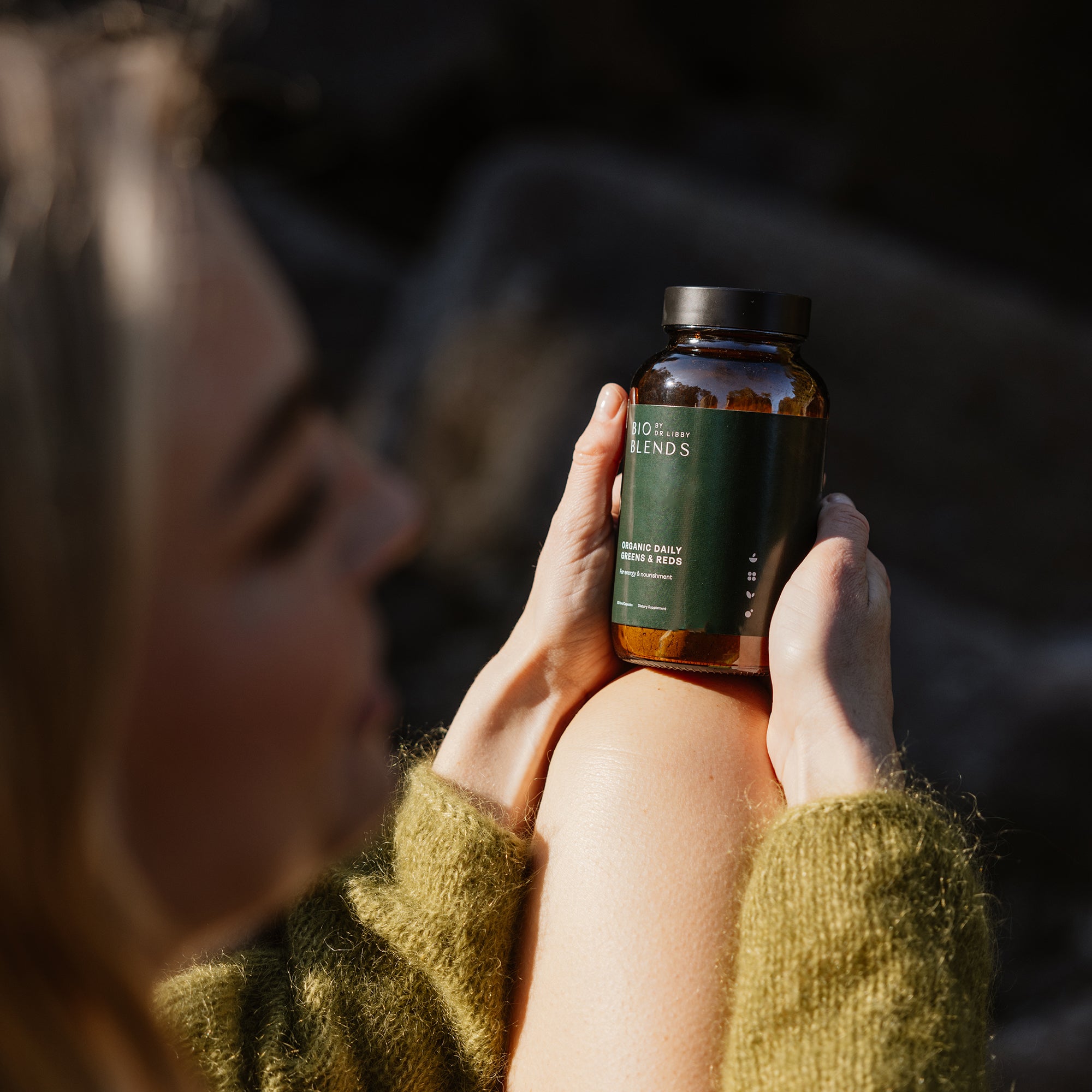
- A teaspoon of Organic Daily Greens & Reds can effortlessly help you boost your veg intake. Stir into water, juice or a smoothie or mix into chia pudding or bliss balls.
2. You’re low in magnesium
Magnesium is often described as the body’s “steadying hand.” It helps muscles release, supports the nervous system to settle, and plays a role in both energy and sleep quality. When magnesium is depleted, the body can feel stuck in a wired but tired state:
- The mind doesn’t switch off easily.
- Sleep is light or broken.
- Breathing is more rapid.
- The breath stays a little higher in the chest.
- Tight neck and shoulders.
- The body never fully exhale-relaxes.
Stress draws down magnesium stores, and the typical modern diet doesn’t tend to replenish them. The best sources of magnesium come from green leafy veg, nuts, seeds and legumes so, again, a focus on increasing your veg intake will have multiple benefits! The unfortunate reality is that modern soils are not as abundant in minerals like magnesium as they were in our grandparents’ time. And this means our food is also not as abundant in these minerals. This is why supplementing with a food-sourced magnesium supplement – like Organic Magnesium – can be so beneficial. You’re delivering concentrated, real-food magnesium your body can recognise and use with ease.
3. You’re low in iron
Iron is involved in transporting oxygen to every cell. When levels are low – even long before anaemia – the world can feel heavier. Thinking feels slower. Small tasks feel bigger. Motivation feels harder to access. Sleep feels less restorative. The body can feel flat, heavy, and easily fatigued.
Many women live for years in this “not quite enough iron” zone, especially during menstruation, pregnancy, postpartum and the perimenopause years. And because blood test reference ranges are broad, it’s common to be told levels are “fine” – even when they are far from optimal and your body is saying otherwise. Read How much iron do you really need? to find your daily RDI based on your age and life stage. Include sources of iron on your plate daily. Good sources of haem iron can be found in red meat, organ meats, sardines and oysters. Non-haem iron can be found in chia seeds, seaweed, parsley and kale. Keep in mind that non-haem iron is often poorly absorbed and benefits from being paired with vitamin C.
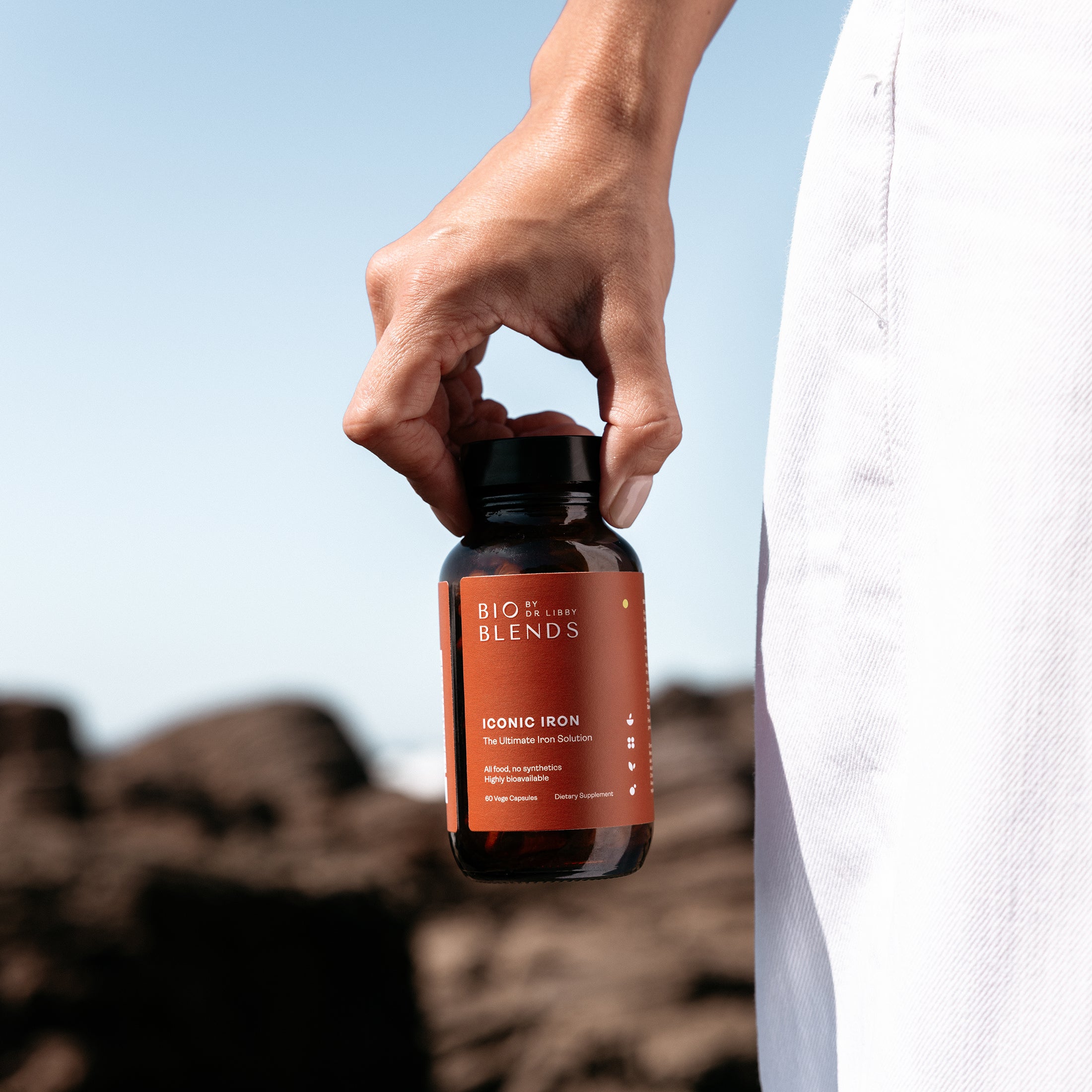
For additional support – which is often required through menstruation and pregnancy – consider Iconic Iron. Containing ferritin-iron from organic peas alongside essential iron metabolism cofactors, it’s absorbed completely differently to any other form of iron, overcoming all of the usual iron absorption hurdles. A relatively small dose truly can make a massive difference to your serum ferritin levels (iron stores).
4. Your nervous system is on high alert
Jumpy, on edge, easily overwhelmed or just… tense? This is often a sign that your nervous system has been in “switched-on” mode for too long. The body isn’t designed to stay in a state of vigilance day after day – yet modern life asks us to do exactly that. When the sympathetic nervous system (your fight-or-flight mode) dominates, digestion is compromised, sleep becomes lighter, patience thins and even small stressors feel outsized.
This is where nourishing your nervous system becomes essential. Magnesium, rest, slower eating, breath-led pauses and small moments of regulation throughout the day can help your body transition back into its rest-and-digest state. Calm Restore can also be helpful here – its blend of magnolia, lemon balm, ziziphus, chamomile and withania, supporting emotional steadiness and deeper sleep, and calming a busy mind, especially when stress has built up over time.
5. Your sleep isn’t truly restorative
You may technically be “sleeping,” but not getting the kind of deep, uninterrupted rest your brain and body rely on to reset. Poor sleep affects nearly every system in the body – hormones, appetite, mood, energy production, immunity and emotional resilience. If you’re waking unrefreshed, struggling to fall asleep, waking through the night or relying on coffee to feel functional, your body is sending you a clear message.
Look to the basics first: enough magnesium, steady blood sugar through the day, good sleep hygiene and enough wind-down time. Layer in support if you need it – magnesium for physical relaxation and Calm Restore for soothing the “tired but wired” mind.
6. Your liver is asking for support
Feeling sluggish, puffy, foggy or easily fatigued can also point toward a liver under pressure. That doesn’t mean liver disease – it simply means your detoxification pathways might be overloaded by alcohol, synthetic compounds, environmental pollutants or ingredients in ultra-processed foods. The liver thrives on compounds supplied by brassica vegetables, bitter herbs and antioxidants. When extra support is needed, Liver Love brings together broccoli, St Mary’s thistle, turmeric, globe artichoke and gentian – five plants with strong evidence for improving detoxification, reducing oxidative stress and supporting hormonal balance.
7. Your cup is simply too full
Sometimes the reason you feel “off” is the simplest: you’re depleted. Not emotionally weak. Not failing. Just human. Modern life is fast, full, mentally taxing and often chronically under-supported. When you don’t have enough space to recover, everything begins to feel harder. A foggy mind. A shorter fuse. A flatness you can’t name. Small acts of nourishment – more vegetables, enough good quality protein and nourishing fats, magnesium replenishment, nourishing sleep, moments of stillness and gratitude even when things are tough, supporting your hormones, movement that feels energising rather than taxing, topping up micronutrients – begin to shift how everything feels.