



3 biological reasons you feel exhausted but can’t switch off
You're tired all day. You drag yourself through the afternoon counting down the hours until bedtime when you’ll finally get the chance to rest. And then, as you lay your weary head down on the pillow, something strange happens. Your body is exhausted, but your mind is wide awake.
You replay conversations. Think about tomorrow's to-do list and almost panic. Remember an email you haven’t replied to and it’s been more than a week! Suddenly it's 11pm and you're wondering why sleep feels so elusive when you're clearly tired. Many people describe this feeling as being "wired but tired". And while it can feel like a sleep problem, the root cause often starts much earlier in the day. The truth is that several different biological factors can create the same frustrating symptom.
Let's explore three common possibilities.
1. Your magnesium levels are not their best self
Magnesium is involved in hundreds of biochemical processes throughout the body. It contributes to nervous system function, muscle relaxation and energy production, making it one of the most important minerals for overall wellbeing.
Yet many people don't consistently consume enough magnesium-rich foods to meet their daily needs. Factors such as stress, alcohol intake, certain medications and intense exercise can also increase the body's requirements. When magnesium status is less than optimal, many people notice it becomes harder to relax and unwind at the end of the day.
Other signs and symptoms of insufficient magnesium intake include:
- Muscle cramps
- Eye twitches
- Increased anxiety
- Sleeplessness
- A variety of premenstrual symptoms
- Cardiovascular problems
- Chocolate or sugar cravings
- Lumpy breasts (as it supports healthy estrogen metabolism)
Supporting magnesium intake
Foods such as leafy greens, nuts, seeds and sardines provide magnesium. Supplementation may also be beneficial, particularly when requirements are elevated or not enough vegies are being eaten (which is the case for nine out of ten adults in New Zealand and Australia).
Organic Magnesium provides a highly bioavailable dose of food-sourced magnesium to support maximum absorption and utilisation.
2. Your stress response is stuck ‘on’
Your nervous system is designed to help you respond to challenges. When you encounter a stressful situation, your body releases stress hormones that help you stay alert, focused and prepared for action. In the short term, this response is incredibly useful. The challenge arises when stress becomes constant background noise rather than an occasional event.
Work pressures. Family responsibilities. Financial concerns. The mental load of modern life. If any of these circumstances feel stressful to you, it’s going to activate the arm of your nervous system that drives the production of stress hormones. When your nervous system spends too much time in a heightened state, it can become difficult to shift into the restorative state required for quality sleep. You might feel physically exhausted but mentally alert. Your body wants rest, yet your brain struggles to get the message.
Other signs and symptoms include:
- Feeling constantly on edge or unable to relax
- Difficulty falling asleep or staying asleep
- Increased irritability, impatience or emotional reactivity
- Muscle tension, jaw clenching or frequent headaches
- Digestive issues such as bloating, nausea or changes in bowel habits
- Heart palpitations or a sense of a racing heartbeat
- Increased sensitivity to noise, light or other stimuli
- Fatigue that persists despite rest
Supporting a calmer nervous system
Breath-focused practices, time outdoors, quality sleep and creating space for recovery can play a valuable role in helping the body adapt to periods of stress. Alongside ensuring magnesium levels are well-stocked, some medicinal herbs can also support a gentler stress response and nervous system resilience.
Calm Restore was formulated by Dr Libby with adaptogenic herbs that work together to help the body better adapt to everyday pressures, supporting more robust wellbeing when life feels particularly demanding.
3. Your iron levels need to be topped up
When most people think about iron deficiency, they think about tiredness. What many don't realise is that iron plays important roles far beyond energy production. Iron contributes to oxygen transport throughout the body and is involved in the production of neurotransmitters that influence mood, motivation, cognitive function and sleep.
When iron stores begin to decline, some people describe feeling both exhausted and overwhelmed at the same time. They lack energy, yet struggle to feel calm and resilient. Women are particularly vulnerable to low iron due to menstrual blood loss, pregnancy and increased requirements throughout different life stages.
Other signs and symptoms of inadequate iron include:
- Persistent fatigue or low energy
- Shortness of breath
- Dizziness or lightheadedness
- Headaches
- Pale skin
- Cold hands and feet
- Brittle nails
- Difficulty concentrating (or brain fog)
- Anxiety
- Restless legs
- Poor sleep
Supporting your iron levels
Ensure you’re prioritising iron-rich foods including beef, lamb, mussels, sardines, eggs and organ meats. If you suspect your iron levels may be low, it's important to speak with your healthcare practitioner and request appropriate testing.
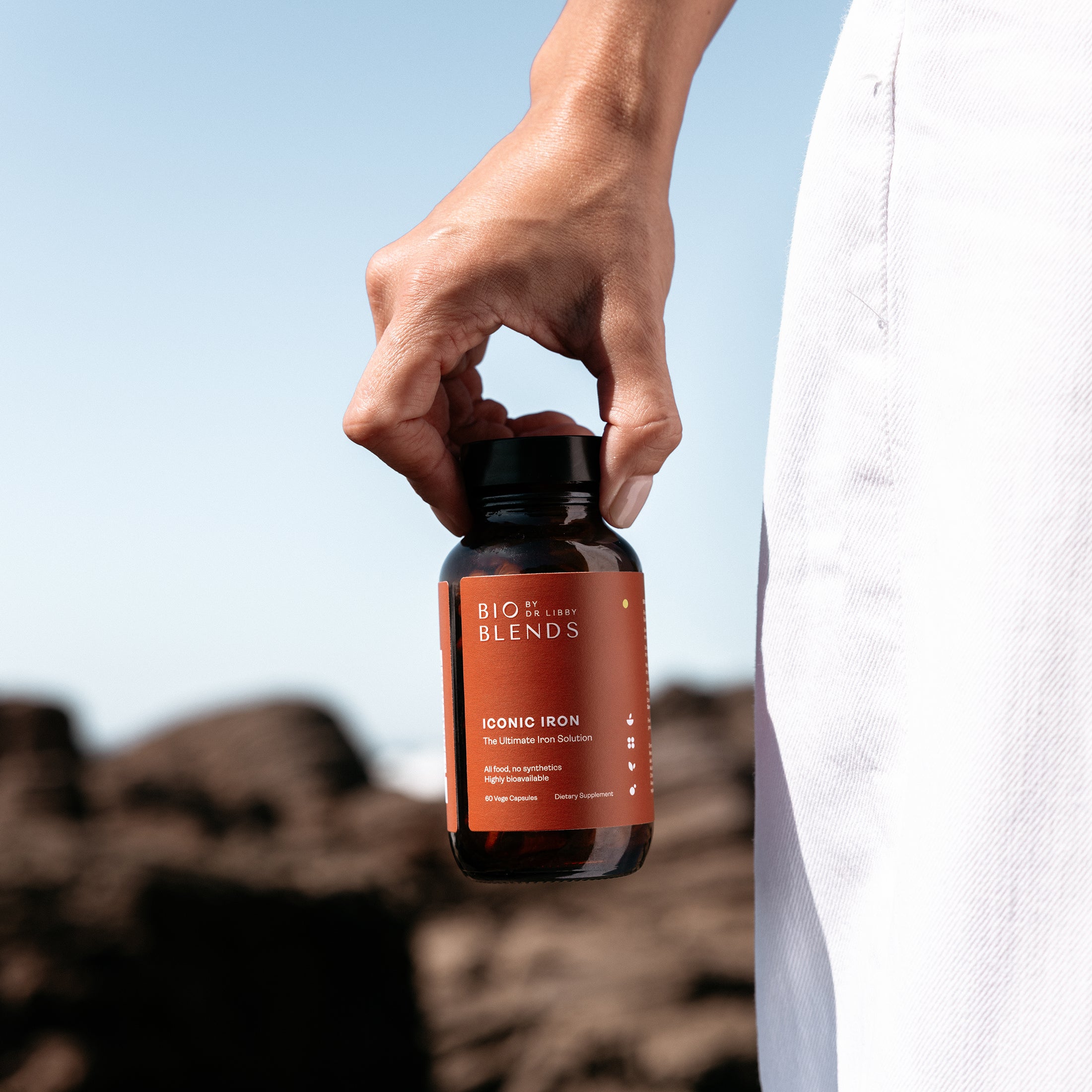
For those requiring additional iron support, Iconic Iron provides food-sourced ferritin-iron alongside cofactor nutrients designed to support iron utilisation and transport once it’s inside you. Highly bioavailable iron without the gut-related side effects.

The symptom is the same. The cause may be different.
The road in is the road out. Being wired but tired is incredibly common, yet it's not always caused by the same thing. For some people, the primary driver is stress. For others, it may be magnesium status. For others, iron stores. And in many cases, it can be a combination of several factors.
Understanding the biology behind how you feel allows you to make more informed decisions about how to support your health. Because feeling your best isn't about pushing harder, it's about giving your body what it needs to do what it is perfectly capable of doing.