



Could kiwifruit help you sleep better?
Sleep quality is influenced by a complex network of biological systems working together behind the scenes – the nervous system, stress hormones, nutrient status, circadian rhythm, blood sugar regulation, neurotransmitters and even inflammation.
This is why sleep is rarely improved through one simple “hack”. The science is far more interconnected than that. Yet among this complexity, some surprisingly promising research has emerged around kiwifruit and its potential role in supporting sleep.
The research
Kiwifruit contains a range of naturally occurring compounds that researchers believe may influence sleep. These substances may help support nervous system function, recovery processes and the body’s natural sleep-wake cycle.
In one particular study, adults with self-reported sleep disturbances consumed two kiwifruit one hour before bed each night for four weeks. Researchers observed significant improvements across several measures of sleep quality. Participants fell asleep faster, spent less time awake during the night and experienced improvements in both total sleep time and sleep efficiency. While more research is still needed, the findings suggest kiwifruit may help support sleep onset, duration and overall sleep quality in some individuals.
Sleep is not just about being tired
One of the biggest misconceptions about sleep is that it’s simply about exhaustion. In reality, sleep is a highly regulated biological process controlled by the brain, hormones and nervous system. You can feel physically exhausted and still struggle to sleep deeply if the body remains physiologically “alert”.
This is why stress and overstimulation can leave people feeling tired but wired. The body constantly assesses its internal environment and responds accordingly. If stress hormones remain elevated, blood sugar fluctuates, inflammatory compounds are being produced, muscles hold tension, or the nervous system is getting the message to stay on red alert, the body may struggle to fully transition into restorative sleep states. It makes sense – if these states communicate a lack of safety to the body, sleep would not be wise as you may not be able to escape from the danger your body perceives you are in. Your body doesn’t understand, for example, that your persistently elevated adrenaline is being driven by your thoughts, not a genuine threat.
Improving sleep quality often involves supporting the body more broadly — not just focusing on bedtime itself.
The biology behind sleep
Several key systems influence how well we sleep.
Circadian rhythm: The circadian rhythm is the body’s internal clock, helping regulate sleep and wakefulness through light exposure and daily routines. Disruptions from stress, artificial light or inconsistent schedules can interfere with sleep quality.
Cortisol: Cortisol helps regulate energy and the sleep-wake cycle, but chronic stress can disrupt ideal cortisol patterns which can impact healthy sleep patterns and overnight recovery.
Neurotransmitters: Sleep is influenced by neurotransmitters like melatonin and GABA, which rely on adequate nutrients (like iron, zinc and magnesium) and nervous system support to function well.
Blood sugar regulation: Blood sugar instability can contribute to waking during the night and poorer sleep quality by triggering stress hormone fluctuations.
So what is it about kiwifruit?
Researchers believe several naturally occurring compounds in kiwifruit may contribute to these effects.
Serotonin and melatonin pathways
Kiwifruit contains serotonin-related compounds. Serotonin plays an important role in mood regulation and is also involved in the production of melatonin. Rather than acting like a sedative, foods that support serotonin and melatonin pathways may help create more favourable conditions for sleep to occur naturally.
Antioxidants and overnight recovery
Kiwifruit is rich in antioxidants including vitamin C and polyphenols. Emerging research suggests oxidative stress may negatively affect sleep quality and recovery. During sleep, the body performs significant repair work — physically, hormonally and neurologically. Nutrients that support recovery processes may indirectly contribute to deeper, more restorative sleep.
Folate and nervous system support
Kiwifruit also naturally contains folate, a nutrient involved in nervous system function and neurotransmitter production. Low folate levels have been associated with sleep disturbances in some studies, although more research is needed in this area. What’s becoming increasingly clear is that sleep is deeply connected to overall nervous system health and nutrient status.
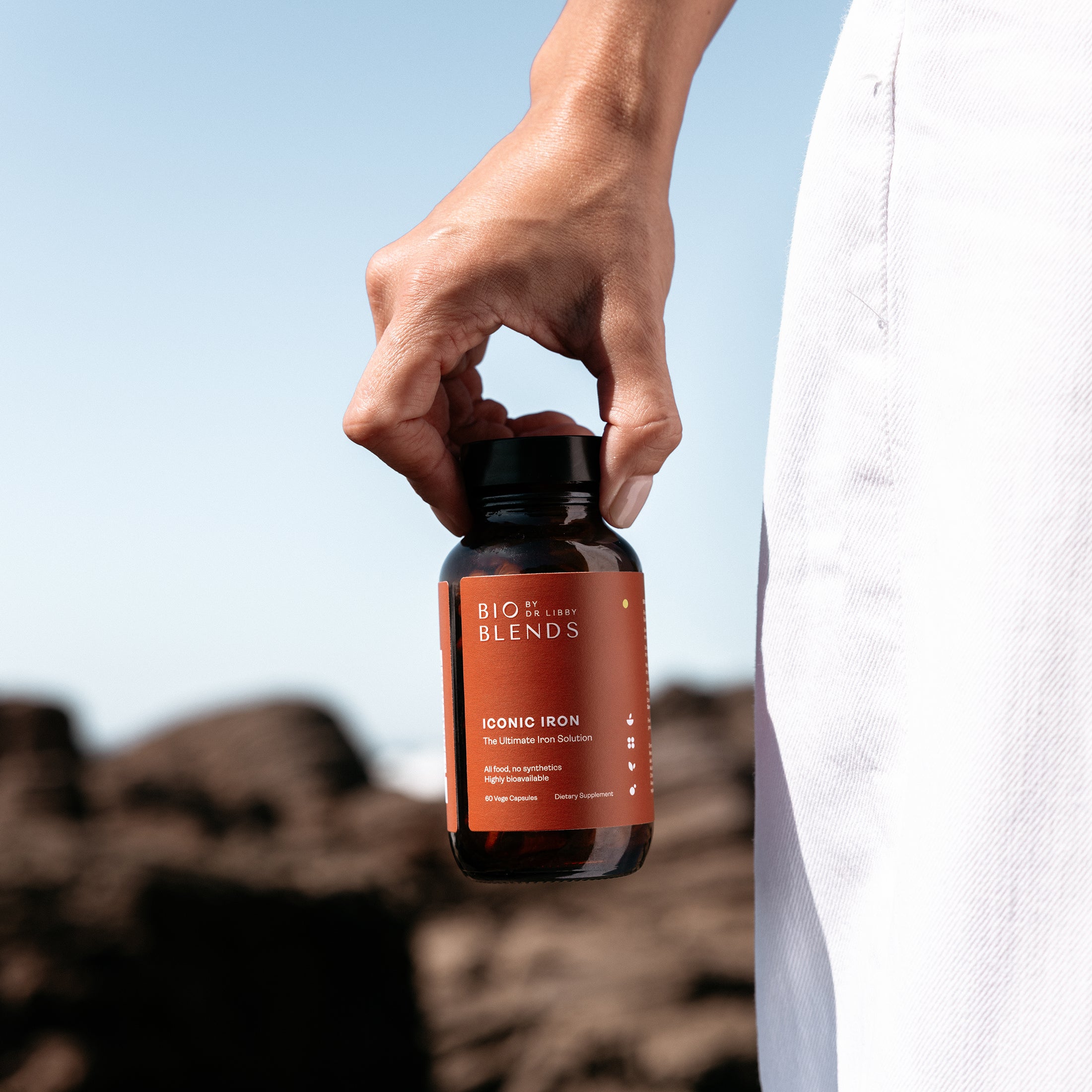
Could kiwi be the reason people report better sleep from taking Iconic Iron?
One of the more interesting pieces of customer feedback we receive about Iconic Iron is how often people mention improvements in their sleep. This may partly relate to iron’s role in nervous system function (it helps us get out of the fight or flight response), energy production and neurotransmitter pathways involved in sleep regulation. Low iron levels have been associated with symptoms such as fatigue, anxiety, heart palpitations, breathlessness, restless legs, dysautonomia, poor concentration and disrupted sleep.
But Iconic Iron also contains kiwifruit extract.
The kiwifruit was originally included for its gut-supportive and anti-inflammatory properties, and to provide additional food-sourced cofactors. Yet this emerging research around kiwifruit and sleep raises an interesting possibility that it may also contribute to the positive sleep feedback some customers experience.
The bigger picture
The goal isn’t to obsess over kiwifruit or treat sleep like another aspect of health to hack or perfect. It’s to recognise that the body is constantly responding to the signals it receives. Food sends signals. Light sends signals. Stress sends signals. Rest sends signals.
And sometimes surprisingly simple choices can support the body more than we expect or in ways we don’t expect. Sleep is rarely about one magic fix. More often, it’s the result of many small inputs working together to help the body feel safe, nourished and regulated enough to fully rest. And one of those inputs might just be your inclusion of kiwifruit.
Reference: Effect of kiwifruit consumption on sleep quality in adults with sleep problems