

Article: Does your gut need support or is it stress?

Does your gut need support or is it stress?
Bloating. Sluggish digestion. Reflux. That heavy, uncomfortable feeling after eating. A bowel rhythm that feels unpredictable. When digestive symptoms show up, it is natural to think first of the gut.
Was it something you ate?
Do you need more fibre?
Is your microbiome out of balance?
Is your liver asking for support?
All of these may be worth exploring. Yet, digestive symptoms do not always begin with food. Sometimes, the gut is responding to the state of the nervous system.
The gut and brain are always talking
Dr Libby has long spoken about the body as a whole, not a collection of separate parts. Digestion is a perfect example of this. Your gut and brain are in constant communication. This is why stress can be felt in the stomach, why nerves can change your appetite and why a busy mind can make your digestion feel unsettled. When the body is producing stress hormones, it shifts into a state designed for survival rather than digestion. Blood flow, stomach acid, digestive enzyme production, bile flow and bowel motility can all be influenced.
In the short term, this is normal. But when stress is constant, rushing is normal, meals are eaten quickly and the nervous system rarely gets the message you are safe (due to high circulating levels of stress hormones), digestion can become one of the first places the body shows the load.
How do you know if it’s your gut or stress?
Starting with your gut is always beneficial. Emphasise whole, warm, real foods, reduce or take a break from processed foods, minmise cold and raw foods, chew your food thoroughly and support the foundations of good digestion, including stomach acid, digestive enzymes, bile flow, fibre, hydration and regular elimination. Then look at the pattern.
Do your symptoms worsen when you’re busy, rushed, anxious or eating on the go? Do they settle when life feels calmer, sleep improves or you have more space around meals? If so, your nervous system may be playing a bigger role than you realise.
Stress does not make digestive symptoms imaginary. It simply reminds us that the gut responds to the state of the whole body. So rather than asking only, “What did I eat?”, it may also be helpful to ask, “How safe, settled and supported did my body feel when I ate it?”
What can help?
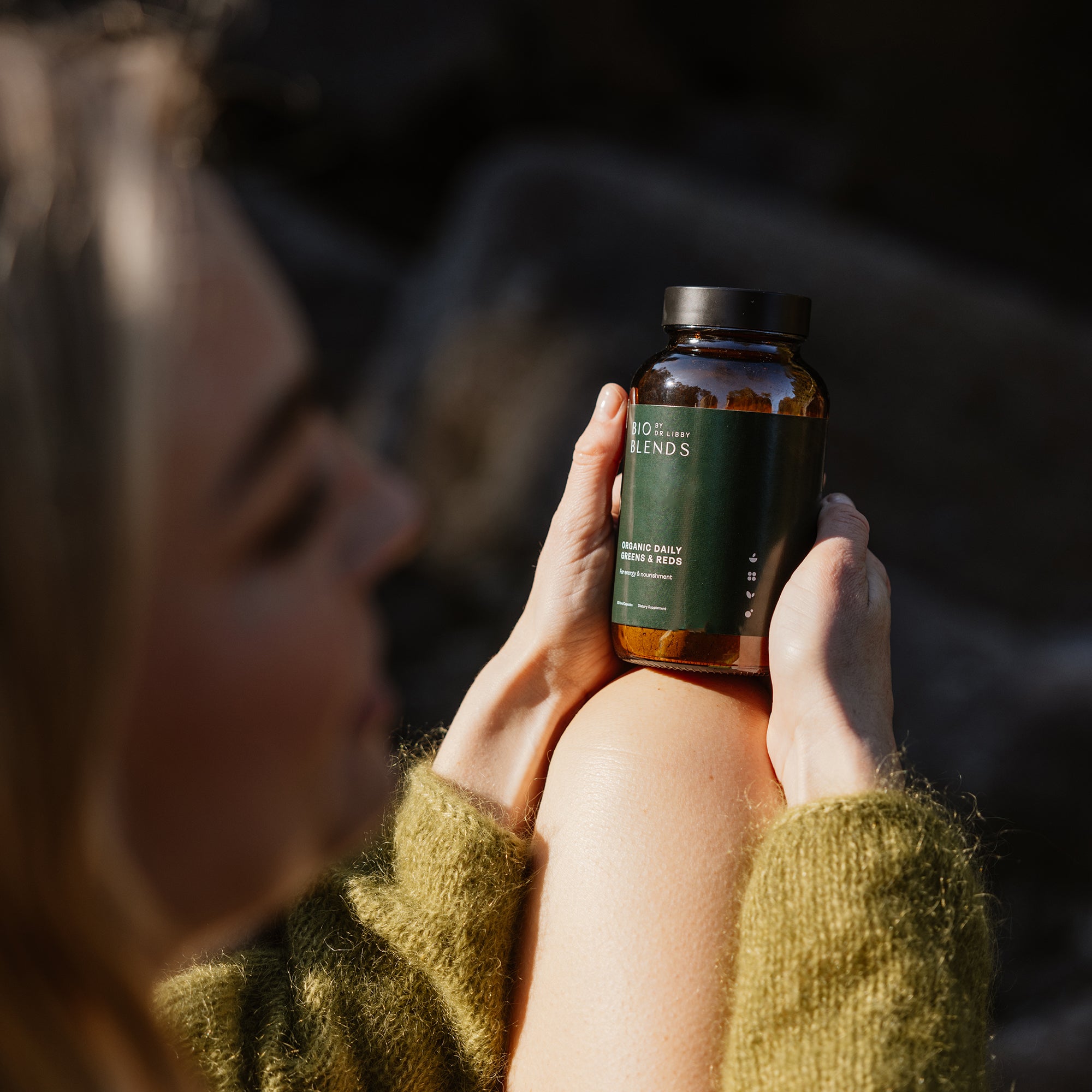
If digestion feels slow, sluggish or unpredictable, Organic Daily Greens & Reds is a helpful place to start. It was formulated to support daily nourishment, digestive regularity and elimination through a blend of organic greens, reds, herbs and plant nutrients.
Liver Love may also be worth exploring when digestion feels heavy, particularly after richer meals, alcohol or times when the body is processing more than usual. It supports the liver’s natural detoxification pathways and its role in healthy elimination.
If your gut symptoms tend to flare when life feels busy, rushed or emotionally demanding, Calm Restore may help support the other side of the picture. It was formulated with herbs traditionally used to calm, settle and soothe the nervous system, because for some people, supporting the stress response is one of the most helpful ways to support digestion too.