

Winter health non-negotiables: the simple habits that support your body through the colder months
Winter has a way of exposing what your body has been quietly running low on. The shorter days, colder weather and constant circulation of bugs don’t necessarily “cause” exhaustion or low immunity, but they can reveal where your reserves are already stretched thin. Suddenly the skipped meals, too much take away or packet food, poor sleep, chronic stress and lack of recovery start catching up with you.
For many people, winter becomes a season of just getting through. Feeling tireder than usual. Nose running or coughing more than not. Struggling with motivation. Craving sugar and other refined carbohydrates, like toast, pastries and baking. Feeling flat, foggy or run down. And while it’s tempting to search for a quick fix, winter health is rarely built from one thing alone. It’s usually the result of consistent daily support across food, sleep, movement, stress and nourishment.
Supplements can absolutely help fill gaps, but they work best when they sit on top of strong foundations. Here are three winter health non-negotiables that can genuinely support your body through the colder months.
1. Prioritise immune-supportive nourishment
When winter arrives, many people focus on avoiding sickness. But supporting immunity isn’t just about washing hands before you eat. It’s about giving your immune system the raw materials it needs to function properly. Immune health relies on adequate good quality protein, micronutrients, especially zinc and iron, sleep, sunlight and energy availability. If you’re under-eating, skipping meals, living on convenience foods (low in micronutrients) or constantly stressed, your immune system feels that too.
One of the most powerful things you can do during winter is return to basics:
- Prioritise nutrient-rich meals that include good quality protein, nourishing fats, whole food carbohydrates and plenty of veggies
- Eat a wide variety of colourful plant foods
- Include warming meals like soups, stews and slow-cooked dishes that are deeply nourishing, easier to digest and feel wholeheartedly comforting in the cold
- Reduce reliance on ultra-processed convenience foods
- Stay hydrated, even when you don’t feel thirsty
Certain nutrients also play particularly important roles in immune function, including zinc. Zinc supports immune cell activity, recovery and barrier function, yet many people aren’t consistently consuming zinc-rich foods. Stress, poor digestion and low dietary variety can all impact zinc status too.
Foods naturally containing zinc include:
- Oysters and shellfish
- Red meat
- Eggs
- Seeds, like sunflower seeds
For additional support, Organic Zinc provides food-sourced zinc (in a capsule) designed for gentle daily replenishment alongside a nourishing way of eating.
2. Don’t underestimate the power of plant diversity
Colder weather and less sunlight can mean we lean into our instinct to burrow into our covers and hibernate. And while the energy of winter definitely calls for slowing down, your body still relies on a huge range of plant compounds to support everything from immune function to energy production, detoxification and gut health. Research increasingly shows that dietary diversity matters. Different plant foods provide different fibres, antioxidants and phytonutrients that help support the microbiome and broader health systems.
This doesn’t mean perfection or elaborate wellness routines. It can look like:
- Adding a serve of greens to your eggs on toast
- Including vegetables at lunch, not just dinner
- Rotating different colours and plant varieties throughout the week
- Keeping frozen vegetables on hand for convenience
- Adding legumes to soups and stews
- Making roasted vegetable trays in bulk
The goal isn’t perfection, it’s increasing consistency and variety over time. This is also where some people find a greens powder helpful. Not as a replacement for vegetables, but as practical support during winter seasons when we may have an inclination to change our habits.
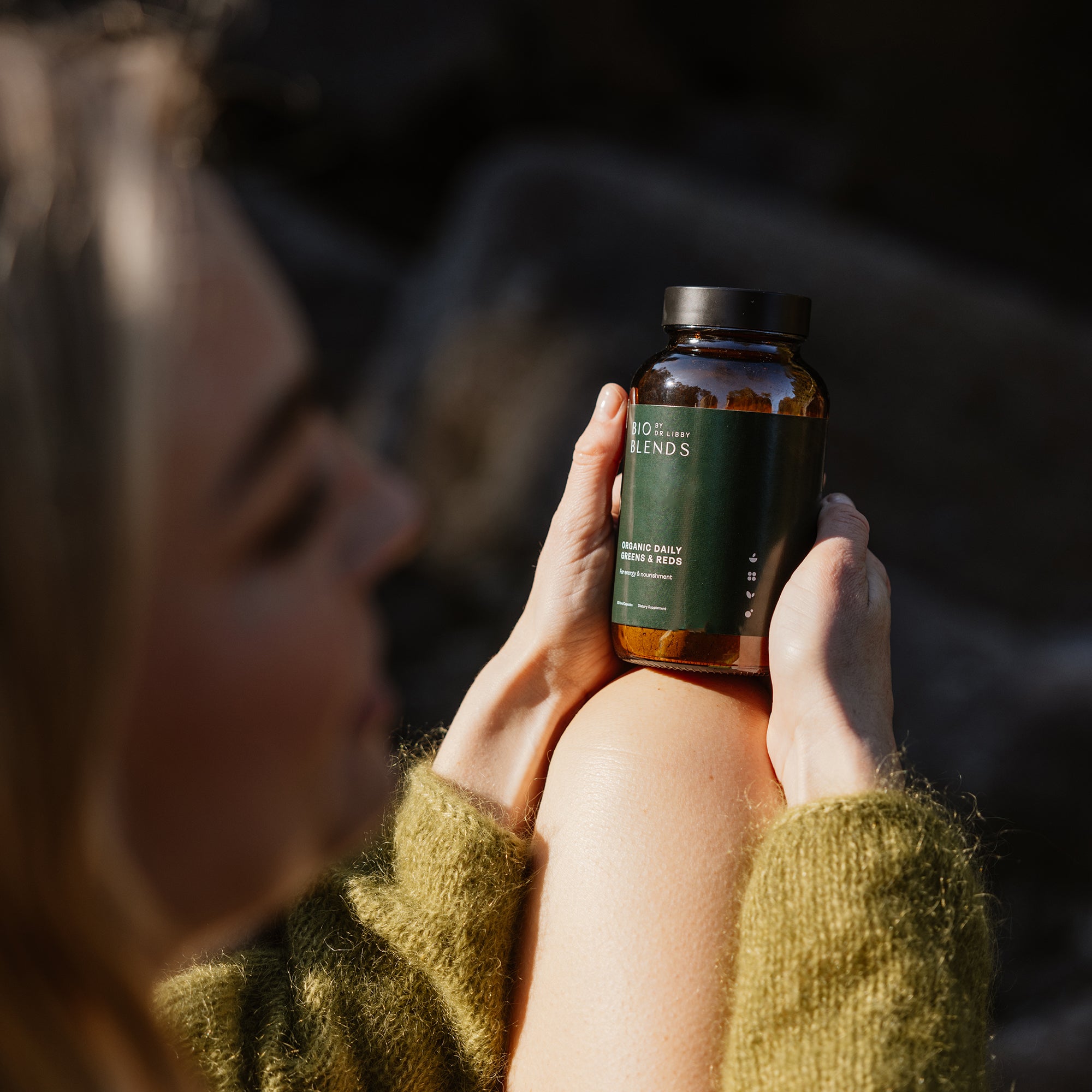
Organic Daily Greens & Reds contains six organic plant ingredients including wheatgrass, barley grass, broccoli, beetroot and blackcurrant to help support daily nutrient intake.
3. If you’re exhausted all winter, investigate iron
Many people assume winter fatigue is simply part of the season. But feeling cold, exhausted, flat, anxious, breathless or mentally foggy all winter long may be a sign your iron levels need attention. Iron plays a critical role in oxygen transport, energy production, cognitive function, mood and immune health. When iron stores are depleted, everything suffers.
The result can feel like:
- Constant fatigue
- Needing more caffeine just to function
- Feeling flat or unmotivated
- Feeling anxious, wired or breathless
- Poor exercise tolerance
- Increased susceptibility to illness
- Feeling colder than everyone else
Women are particularly vulnerable due to menstruation, pregnancy and increased iron demands across life stages. Children are also disproportionately affected.
Iron-containing foods include:
- Red meat
- Liver
- Sardines
- Seaweed
- Kale
- Lentils and legumes
The non-haem iron in plant sources of iron like kale, is not well absorbed and vitamin C-rich foods help its absorption. Vitamin C-containing foods include citrus fruits, kiwifruit, berries, capsicum, lightly steamed (not boiled) green vegetables.
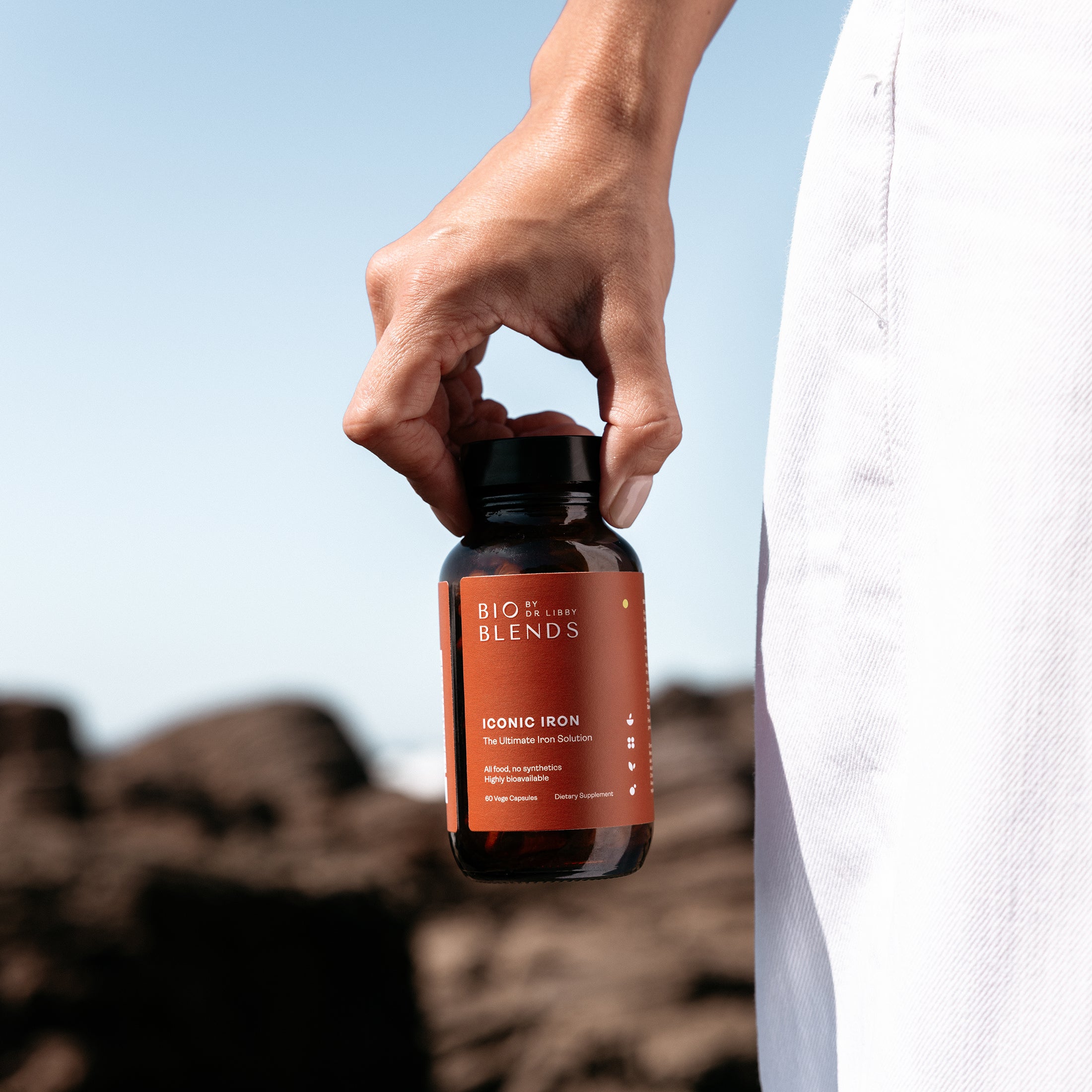
If iron intake or iron stores are low, additional support will be beneficial. Iconic Iron contains ferritin-iron, a ground-breaking and highly bioavailable food-sourced form of iron (suitable for vegetarians and vegans) that overcomes all of the usual iron absorption hurdles.
Importantly, persistent fatigue should always be properly investigated with your healthcare practitioner and appropriate blood testing.
Winter health is built daily
You can’t beat the foundations when it comes to supporting your overall health. It’s the simple daily habits, done consistently, that make the biggest difference over time. Prioritising nourishing food, getting enough sleep, spending time outside in natural light and fresh air, moving your body regularly – even gently – and managing stress before burnout hits all help support your body through the colder months. From there, targeted nutritional support can help fill gaps and provide extra support where your body may need it most.
Winter can also be a helpful reminder to slow down and pay attention to what your body might be asking for. Sometimes, the most powerful thing you can do is stop pushing through and start properly nourishing yourself.